


Fill the Space, Improve Your Smile
Having dental bridges placed is a very common treatment technique used for the replacement of missing teeth. At Northampton Dental Specialists Group, we partner with patients to identify their needs and determine which dental bridge will prove most useful, comfortable, and long-lasting. We know how important it is to experience life with a healthy set of teeth – the kind that allows you to eat and speak without worry. When you’re ready to talk about your incomplete smile and what we can do to improve your appearance and overall health, call us to schedule an appointment today.
Why Choose Northampton Dental Specialists Group for Dental Bridges?
- Four Dentists Dedicated to Compassionate & Comfortable Dentistry
- Early Appointments and Late Evening Appointments Available
- High-Quality Dental Materials Used to Create Lifelike Smiles
What is a Dental Bridge?
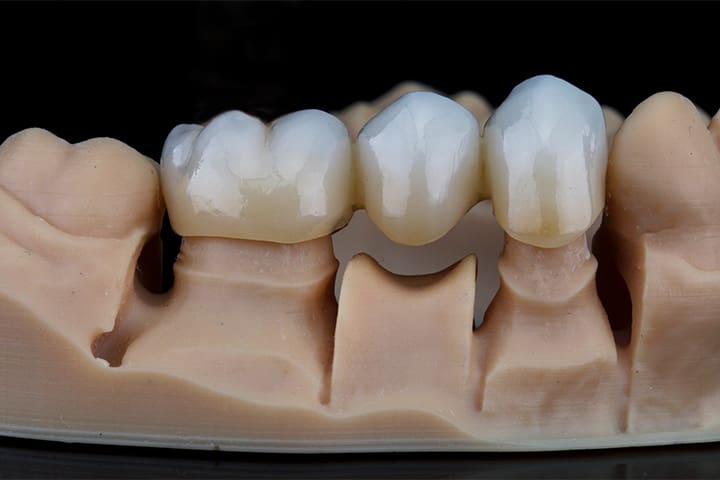
A dental bridge will help you see a complete and beautiful smile again, no matter how long it has been since you lost multiple teeth. Crafted from high-quality materials, we will combine one or more artificial teeth and two dental crowns to help fill in the gap. While the crowns are anchored to abutment teeth, the remaining ones will rest on top of the gums to create the visual smile completion.
Types of Dental Bridges
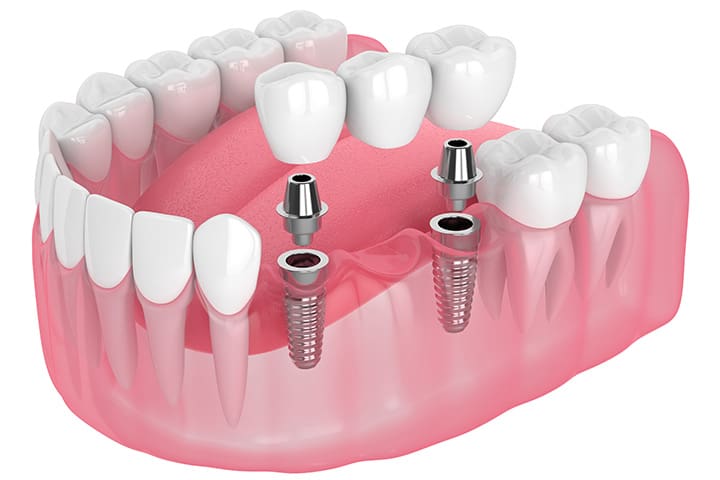
Patients are sometimes surprised to learn how many types of dental bridges are available. In light of this fact, you will require accurate information to give you an idea of which type of dental bridge in Northampton makes the most sense for you.
Traditional Dental Bridge
Conventional dental bridges remain the most popular type of bridge that is used for restoring lost teeth. They are useful for situations where a patient has some remaining natural teeth or dental implants on each side of the gap.
Dental bridges are typically small and unencumbered, offering great chewing comfort through the redistribution of the normal bite force that has been compromised by the missing teeth.
Properly cared for, you can expect a traditional bridge to last up to 10 years.
Implant Bridge
Choosing an implant bridge means that you prefer to have two titanium posts positioned within your jawbone that will fuse over time. This offers a more stable and longer-lasting form of tooth replacement, as dental implants cannot be removed by anyone other than your dentist.
Once your bridge is secured in place, you will be able to enjoy its immense benefits, including eating all types of food – no restrictions – and speaking without slurring your words.
What Are the Benefits of Getting a Dental Bridge?

Replacing your missing teeth with a dental bridge will present many unique benefits, some of which include:
- No worry for dental drift, as your natural teeth will remain in place
- Improved oral health by reducing your risk of gum disease and creating a healthy bite force
- An easy-to-clean dental restoration that doesn’t require countless additional products
- Results that can last 10 years or more with a traditional bridge, or 30+ years for an implant bridge
- Greater jawbone preservation if you choose to have an implant bridge put in place
- Boosted confidence in your smile’s appearance and use
Dental Bridges FAQs
Can You Take a Dental Bridge Out?
Dental bridges are designed to be irremovable without the help of a qualified dentist such as a member of the team at Northampton Dental Specialists Group, so you should never be able to remove your appliance by yourself. While you may have heard of “removable bridges,” this is actually a misnomer sometimes used for partial dentures that are intended to be removed for oral hygiene sessions. Traditional dental bridges that receive excellent care can last up to fifteen years before needing replacement, so please contact our office if your device seems loose or falls out.
How Long Should a Dental Bridge Last?
A traditional dental bridge that receives proper care can last between five and fifteen years, and your device’s lifespan may be influenced by the type of material it is made from. Metal bridges may last longer than metal-free ones, but the difference is often negligible. The most important factor in how long your bridge can last is how well you take care of it by practicing excellent oral hygiene and avoiding bad habits like smoking, excessive alcohol use, and teeth grinding. Bridges that replace front teeth may last longer than those placed in the back of the mouth since they usually endure less pressure during the chewing process.
Implant bridges, on the other hand, can last considerably longer than traditional bridges since they are surgically anchored to the jaw with titanium posts. While the restoration itself may eventually need replacement, the implants may last for life if they receive excellent care.
How Many Teeth Can a Dental Bridge Replace?
A dental bridge can be used to replace one to four sequential missing teeth, but traditional bridges usually only replace one or two since longer appliances can become unstable. Implant bridges, however, may be able to replace more since they are firmly anchored in the jawbone for maximum leverage and stability.
Can Dental Bridges Be Whitened?
Since dental bridges are not made from natural enamel, they cannot be affected by teeth whitening treatments. If you wish to receive teeth whitening while wearing a dental bridge, it may be a great idea to wait until your bridge needs to be replaced so your new device can be shaded to match the hue of your new smile. Dental bridges are stain-resistant, but they can still be discolored if exposed to too much pigment or dye. To keep your device in great shape, be sure to practice excellent oral hygiene, keep up with regular dental checkups, and practice moderation when enjoying richly colored foods and beverages like tea, coffee, red wine, cola, candy, berries, and dark sauces.